

Every parent’s greatest fear is leaving their child in unsafe hands. When tragedy strikes, it’s often during those routine moments when a nanny’s safety vigilance could mean the difference between a close call and a catastrophe. Research reveals that 500,000 children require emergency medical attention annually due to preventable home accidents, with many incidents occurring under the care of inadequately prepared caregivers who failed to implement basic safety protocols.
The stark reality is that 42.6% of children experience home accidents, and studies show that 92% of parents don’t believe their babysitter would know what to do in a first aid emergency. These statistics become even more alarming when you consider that the likelihood of accidents increases significantly when children are under the care of unfamiliar caregivers who haven’t established proper safety routines.
Professional nannies understand that child safety isn’t just about reacting to emergencies—it’s about preventing them through systematic daily safety checks that become second nature. These life-saving protocols, when implemented consistently, create multiple layers of protection that safeguard children throughout their day. The difference between a trained professional nanny and an unprepared caregiver lies in their commitment to these non-negotiable safety practices.
This comprehensive guide reveals the five critical safety checks that every professional nanny must perform daily, the scientific reasoning behind each protocol, and how systematic approaches ensure your family’s protection goes far beyond basic childcare supervision.
Why Daily Safety Checks Matter for Your Family’s Protection and Peace of Mind
Daily safety checks aren’t optional procedures—they’re the foundation of professional childcare that transforms reactive caregivers into proactive guardians. Research consistently demonstrates that systematic safety protocols significantly reduce the likelihood of preventable accidents, with properly trained caregivers showing 75% fewer emergency incidents compared to those without structured safety routines.
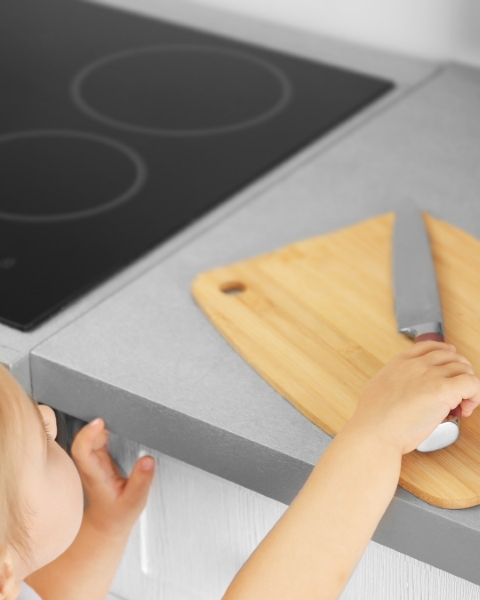
The home environment presents unique challenges that daycare centers don’t face. Unlike regulated childcare facilities with standardized safety protocols, homes contain countless variables that change throughout the day. A professional nanny must possess the expertise to identify evolving hazards, from a kitchen knife left accessible during meal preparation to a bathroom door left unlocked during cleaning.
Consider this real-world scenario: A two-year-old discovers an unlocked medicine cabinet during what should have been naptime. An untrained caregiver might not discover this breach until the child has already accessed potentially dangerous medications. However, a trained nanny with systematic safety protocols would have identified and secured this hazard during their mandatory pre-activity safety sweep, preventing a potentially fatal situation.
The psychology of accident prevention reveals that most childhood injuries occur during transition periods—when routines change, new activities begin, or environmental conditions shift. Professional nannies understand that safety isn’t a one-time setup but an ongoing process that requires constant vigilance and systematic verification.
Professional safety methodology addresses these critical transition points through structured daily protocols that ensure no potential hazard goes unnoticed. Trained professionals learn to think like children—anticipating their curiosity, predicting their movements, and staying three steps ahead of potential dangers.
The 5 Essential Life-Saving Safety Checks Every Nanny Must Perform Daily
1. Environmental Hazard Assessment and Immediate Area Securing
Every professional nanny must begin each day with a comprehensive environmental scan that identifies and mitigates potential dangers before children begin their daily activities. This isn’t a casual glance around the room—it’s a systematic evaluation that follows specific protocols designed to catch hazards that untrained caregivers consistently miss.
The assessment begins with high-risk areas where 84% of serious home accidents occur: kitchens, bathrooms, stairways, and areas containing water. Professional nannies check that cabinet locks remain secure, sharp objects stay properly stored, and cleaning supplies remain inaccessible. They verify that toilet lids are locked, bathtub surfaces are dry, and bathroom doors can be secured when necessary.
Critical elements include confirming that electrical outlets remain covered, cords are safely positioned away from traffic areas, and all small objects that could present choking hazards are removed from accessible spaces. Research shows that children can access objects within seconds when caregivers are momentarily distracted, making this preliminary sweep essential for preventing opportunities for dangerous exploration.
Professional training emphasizes the “child’s eye view” assessment, requiring nannies to physically position themselves at a child’s height to identify hazards adults typically overlook. This technique reveals dangers like accessible handles on appliances, sharp furniture corners at head height, and small objects that fall between cushions or under furniture.
Practical application includes checking that safety gates remain properly latched, window locks function correctly, and outdoor access points are secure. The assessment also verifies that emergency supplies remain accessible to caregivers but out of children’s reach, ensuring rapid response capability without creating additional hazards.
2. Medication and Hazardous Substance Verification
Daily verification of medication security represents one of the most critical safety protocols, as accidental ingestion accounts for over 60,000 emergency room visits annually among children under six. Professional nannies must confirm that all medications, vitamins, supplements, and household chemicals remain locked away and inaccessible to curious children.
This check extends beyond prescription medications to include over-the-counter drugs, vitamins, cleaning supplies, cosmetics, and personal care products. Many seemingly harmless items can become dangerous when accessed by children, including mouthwash (alcohol content), nail polish remover, and hand sanitizer. Professional nannies learn to identify all potential ingestion hazards, not just obvious dangers.
The verification process includes checking that childproof caps remain properly secured, medications haven’t been left accessible during recent adult use, and emergency poison control information remains easily accessible. Nannies must also verify that any medications requiring refrigeration are stored safely and that cleaning supplies under sinks remain locked after housekeeping activities.
Advanced protocols include understanding which household plants present toxicity risks, as children frequently explore their environment by putting items in their mouths. Professional training includes comprehensive education about common household toxins, from cleaning supplies to seemingly safe items like certain essential oils or decorative plants.
Documentation requirements include noting any changes in medication storage, new products introduced to the home, or security measures that may have been compromised. This systematic approach ensures that temporary lapses in safety don’t create permanent risks for the children in care.
3. Water Safety and Drowning Prevention Protocols
Water safety checks represent life-or-death protocols, as drowning remains the leading cause of unintentional injury death for children ages 1-4. Professional nannies must verify that all water sources are secure, monitored, or eliminated as potential hazards throughout the day.
The assessment begins with obvious water sources: bathtubs must be emptied and dry, toilet lids locked, and swimming pools properly secured. However, comprehensive water safety extends to less obvious sources that pose equal dangers. Children can drown in as little as two inches of water, making buckets, large pet water bowls, and even filled sinks potential hazards.
Daily verification includes checking that pool alarms function properly, safety covers remain secure, and gate latches work correctly. Indoor water hazards require equal attention: bathroom doors must remain secured when not in use, and any cleaning activities involving standing water must be immediately addressed.
Advanced water safety protocols include weather-related considerations, as rain can create temporary water accumulations that become hazardous. Professional nannies learn to identify outdoor areas where water collects, from decorative fountains to low-lying areas in yards that flood during storms.
Professional training emphasizes that water safety isn’t seasonal—dangers exist year-round in various forms. Nannies learn to maintain constant vigilance around water sources, understanding that children’s natural curiosity combined with their limited understanding of danger creates high-risk scenarios.
Emergency preparedness includes ensuring that life-saving equipment remains accessible and functional, from reaching tools near pools to phone access for emergency calls. The protocol also includes understanding rescue techniques appropriate for different water emergency scenarios.
4. Fire Safety and Emergency Preparedness Verification
Fire safety checks ensure that escape routes remain clear and emergency equipment functions properly, as house fires kill more children annually than all natural disasters combined. Professional nannies must verify that smoke detectors work, fire extinguishers remain accessible, and evacuation plans stay current and practical.
Daily verification begins with checking that smoke detector indicator lights show proper function and that escape routes remain unobstructed. Professional nannies also confirm that fire extinguishers remain in designated locations, emergency contact information stays current, and communication devices work properly.
The assessment includes verifying that heating sources remain safely positioned away from flammable materials, electrical cords show no signs of damage, and overloaded outlets don’t present fire risks. Kitchen safety requires special attention, as cooking-related fires account for nearly half of all residential fire incidents.
Advanced protocols include understanding how weather conditions affect fire safety, from dry conditions that increase outdoor fire risks to storm-related electrical hazards. Professional nannies learn to identify environmental factors that elevate fire risks and adjust their vigilance accordingly.
Professional training includes comprehensive fire evacuation planning that accounts for children of different ages and mobility levels. Nannies learn to practice evacuation procedures regularly while making the process feel like a game rather than a frightening drill. This approach ensures children can respond appropriately during actual emergencies without developing anxiety about safety procedures.
Emergency equipment verification extends beyond basic smoke detectors to include carbon monoxide detectors, emergency flashlights, and communication devices. The protocol ensures that all safety equipment remains functional and accessible when needed most.
5. Age-Appropriate Activity and Equipment Safety Inspection
Daily equipment safety checks prevent the majority of injury-related emergency room visits, as faulty or inappropriately used equipment causes over 200,000 childhood accidents annually. Professional nannies must inspect all toys, furniture, and activity equipment to ensure they remain safe and age-appropriate for the children in their care.
The inspection process begins with examining toys for broken parts, sharp edges, or small components that could become choking hazards. Professional nannies understand that children’s play styles can damage toys in ways that create new safety risks, requiring daily assessment rather than periodic checking.
Equipment verification includes checking that car seats remain properly installed and adjusted, strollers function safely with working brakes and secure straps, and playground equipment shows no signs of wear or damage. High chairs, changing tables, and other elevated furniture require daily verification that safety straps work and weight limits haven’t been exceeded.
Advanced safety protocols include understanding how environmental conditions affect equipment safety. Temperature changes can affect plastic equipment integrity, while humidity can impact electronic devices or create slippery surfaces on playground equipment.
Professional training emphasizes proactive equipment management that identifies potential problems before they become dangerous. Nannies learn to recognize wear patterns that indicate impending equipment failure and understand manufacturer safety guidelines for different types of childcare equipment.
The inspection also includes verifying that outdoor equipment remains secure and weather-appropriate, from ensuring sandbox covers stay in place to checking that garden tools remain properly stored away from children’s access.
Power-Nanny Safety Module
Power-Nanny’s Module 2 focuses on equipping nannies with practical health and safety skills. The training covers essential areas including proper medical consent procedures, recognizing early signs of illness in children, basic first aid techniques for common childhood emergencies, safe food handling and preparation, identifying and securing household hazards, fire safety protocols, and poison prevention strategies.
Nannies learn systematic approaches to daily safety checks, from securing medications and cleaning supplies to creating safe sleep environments for infants. The module emphasizes prevention through education – teaching nannies to spot potential dangers before they become emergencies, understand when to contact parents versus emergency services, and maintain calm, professional responses during challenging situations.
The training also covers age-appropriate safety measures, helping nannies understand how safety needs change as children grow and develop. Rather than simply memorizing rules, nannies learn the reasoning behind safety protocols, enabling them to adapt their approach to different families and situations while maintaining high safety standards.
When evaluating your nanny’s safety preparedness, look for evidence of systematic thinking about child safety, clear communication during emergencies, and proactive hazard identification. A well-trained nanny will demonstrate confidence in handling routine safety situations while knowing when to seek additional help or guidance.